
The Benefits of Manual Lymphatic Drainage After Rhinoplasty You Need to Know

Rhinoplasty is a popular cosmetic procedure that reshapes the nose, but the recovery process can be challenging due to swelling and bruising. One treatment gaining attention for speeding up healing and improving results is Manual Lymphatic Drainage (MLD). This gentle massage technique targets the lymphatic system to reduce swelling, bruising, and discomfort after surgery. If you are considering rhinoplasty or are in recovery, understanding how MLD can support your healing is essential.

How MLD Reduces Swelling Faster
Swelling after rhinoplasty mainly results from lymph fluid congestion. The lymphatic system is responsible for draining excess fluids and waste from tissues. When this system slows down after surgery, fluid builds up, causing puffiness and discomfort.
MLD uses soft, rhythmic movements to gently “unclog” lymph pathways. This helps fluid drain more efficiently, reducing swelling up to 40% faster than natural healing alone. Patients often notice their new nose shape becoming visible weeks earlier, which can boost confidence during recovery.
Why Your Entire Face Needs Attention
Swelling after a nose job is not limited to the nose itself. Fluid often accumulates in the cheeks, under-eye area, and jawline. These areas are connected through the facial lymphatic system, so treating only the nose is not enough.
MLD works on the whole facial lymph system, promoting drainage across the entire face. This comprehensive approach helps reduce puffiness in all affected areas, leading to a more balanced and natural appearance during healing.
The Slowest Draining Area Is Under the Eyes
The lymphatic system under the eyes drains more slowly than other parts of the face. This explains why patients often experience puffy, swollen eyes after rhinoplasty.
By improving lymph flow in this region, MLD speeds up the reduction of under-eye swelling and bruising. Patients typically see bruises fade faster, which helps them look and feel better sooner.
Preventing Hard Swelling and Fibrosis
Without proper drainage, fluid pockets can harden into fibrotic tissue, a condition known as “hard swelling.” This can affect the softness and flexibility of tissues, which is crucial for the final shape of the nose.
MLD helps keep tissues soft by encouraging continuous lymph flow. This reduces the risk of fibrosis and supports a smoother, more natural-looking result.
Why More Plastic Surgeons Recommend MLD
In recent years, MLD has shifted from a luxury spa treatment to a common post-operative recommendation. Surgeons increasingly prescribe MLD not only for rhinoplasty but also for facelifts, liposuction, and Brazilian Butt Lifts (BBL).
Many surgeons report higher patient satisfaction when MLD is part of the recovery plan. It helps patients heal faster, experience less discomfort, and achieve better aesthetic outcomes.
MLD Helps the Nose Tip Refine Quicker
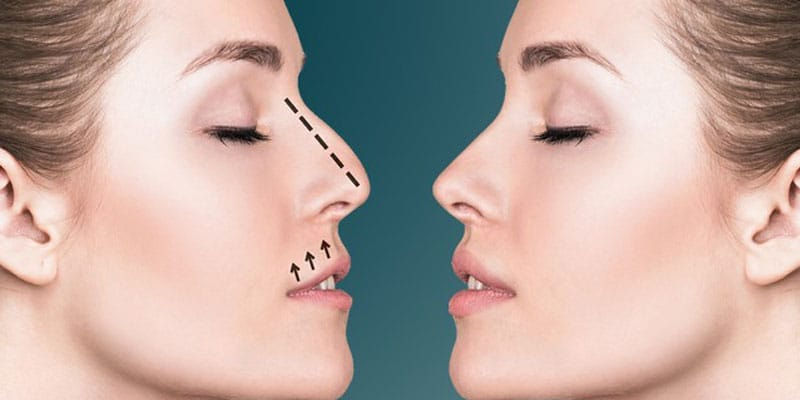
The tip of the nose often takes the longest to heal, and swelling can last 6 to 12 months. This slow drainage can delay the final definition of the nose tip.
MLD targets this slow-to-drain area, helping the body clear lymph fluid more efficiently. This results in a more refined and defined nose tip earlier in the recovery process.
Safe to Use Soon After Surgery
Unlike deep tissue or sculpting massages, MLD uses a soft touch with feather-light pressure and rhythmic movements. This makes it safe to start as early as 48 to 72 hours after surgery, depending on your surgeon’s approval.
Early use of MLD can jumpstart the healing process, reduce swelling, and minimize bruising without risking damage to delicate tissues.
Reducing Bruising Within 48 Hours
Bruising after rhinoplasty occurs when blood gets trapped under the skin. MLD encourages the body to reabsorb this blood more quickly.
Many patients notice significant improvement in discoloration after just 2 to 3 MLD sessions. This faster fading of bruises helps patients feel more comfortable and confident during recovery.
For safety, we never apply pressure directly to the nose. All MLD work is performed on the surrounding facial tissues and lymph channels to reduce swelling without disturbing surgical results.


Comments